Creatives as Catalyst
An Ode to Rachel Carson: What happens when Science is shaped into Story?

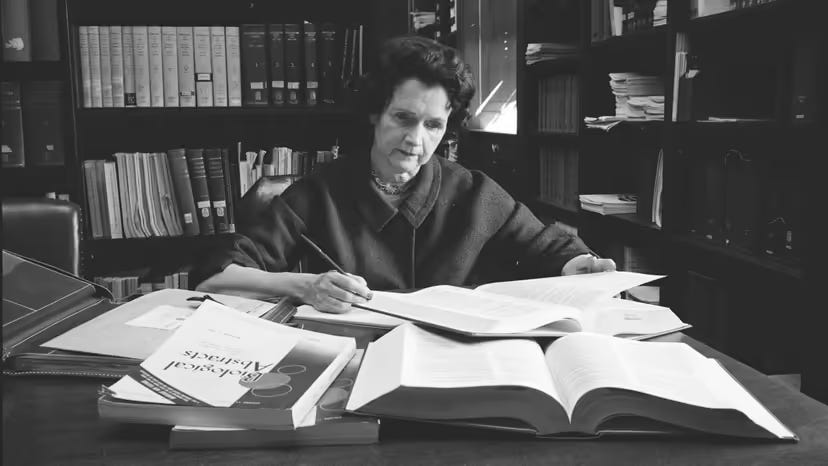
“The more clearly we can focus our attention on the wonders and realities of the universe about us, the less taste we shall have for destruction.”
— Rachel Carson, 1954
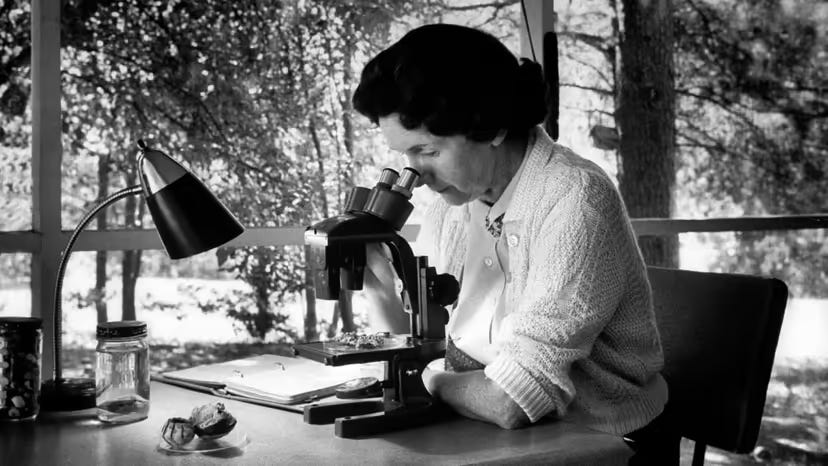
In 1962 Rachel Carson’s Silent Spring was published. It was not the first scientific study to reveal the dangers of pesticides, but it was the first to capture the public imagination. With scientific and lyrical precision, Carson transformed data into story, and in doing so, awakened a generation to the fragile balance of the Earths Ecosystems.
Science as Emotional Storytelling
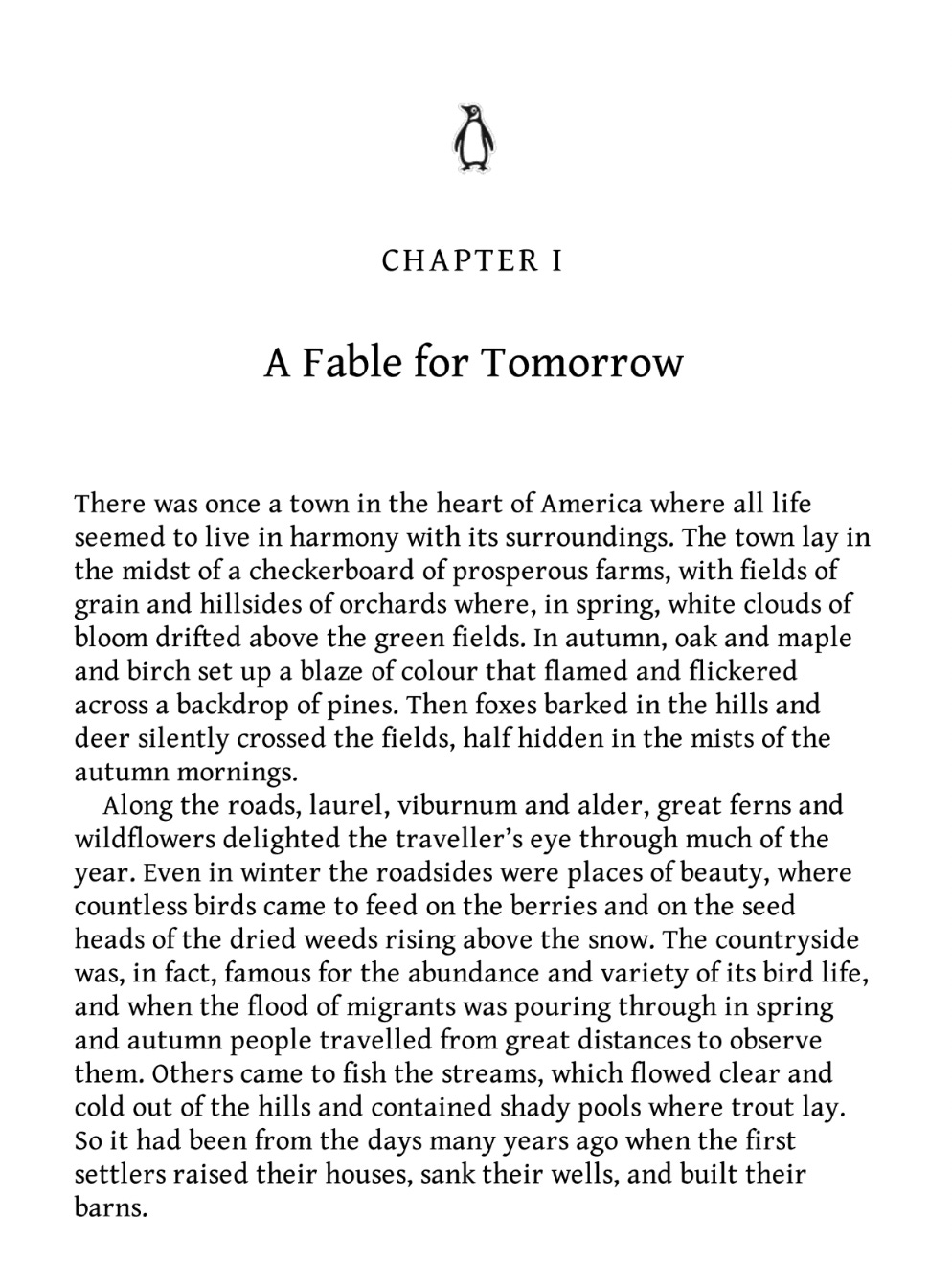
Carson’s creative flair lay not only in her meticulous combination of research but in her ability to make science emotional. Instead of sterile graphs and statistics, she wrote about things people could feel in their gardens, in their food, in the songs, or silences, outside their windows. Her opening chapter, “A Fable for Tomorrow,” describes a fictional town where birds no longer sing and spring arrives in silence. The image was haunting and it resonated more deeply than chemical formulas or policy memos had yet been able.
Carson was not only a marine biologist. She was also a writer, a poet and a cultural critic. Her language bridged worlds; science and art, fact and metaphor, evidence and emotion. This fusion gave her work credibility while also making it unforgettable. She demonstrated that poetry and precision are not opposites, but allies.
Lessons for Ecological Creatives Today
Carson’s work offers enduring lessons for anyone working at the intersection of imagination and activism:
Frame ecological issues in narrative form. How could you ask, “what happens if this trend continues?” rather than offering only raw statistics.
Pair art with evidence. Poetic imagery can amplify credibility rather than weaken it.
Expect resistance. Transformative work often meets backlash from entrenched industries.
Humanise the abstract. Speak of food, families and backyards before wider ecosystems, data sets, or policy.
Cultural and Political Impact
The shockwaves of Silent Spring were immediate. The book sparked a national debate about chemical regulation and the unchecked power of the pesticide industry. Carson faced smear campaigns and personal attacks from chemical companies, yet the truth of her words held fast.
Within a decade, the U.S. banned DDT. In 1970, the Environmental Protection Agency was created. That same year, the first Earth Day was celebrated, an event that drew on the cultural momentum Carson had sparked.
Of Imagination
Rachel Carson exonerates the power of harnessing the imagination as a catalyst for positive reform and possibility; she turned technical knowledge into narrative and narrative into a global movement.
She reminds us that to protect the world and that which we treasure, we must first teach ourselves and others to see, to listen and to feel it ~ because only then will we refuse its destruction.
One way to open your eyes is to ask yourself, ‘What if I had never seen this before? What if I knew i would never see it again?'
Rachel Carson